

Sep' 25
There’s a moment every teacher remembers, the pause before a child answers, the nervous glance at the screen, the hesitation to turn on the camera. It’s not always about the math problem or the reading passage. Sometimes, it’s something deeper. Children often carry quiet worries about how they look, how they sound, or how others perceive them. These feelings shape their self-esteem and body image, and in turn, their willingness to learn and participate.
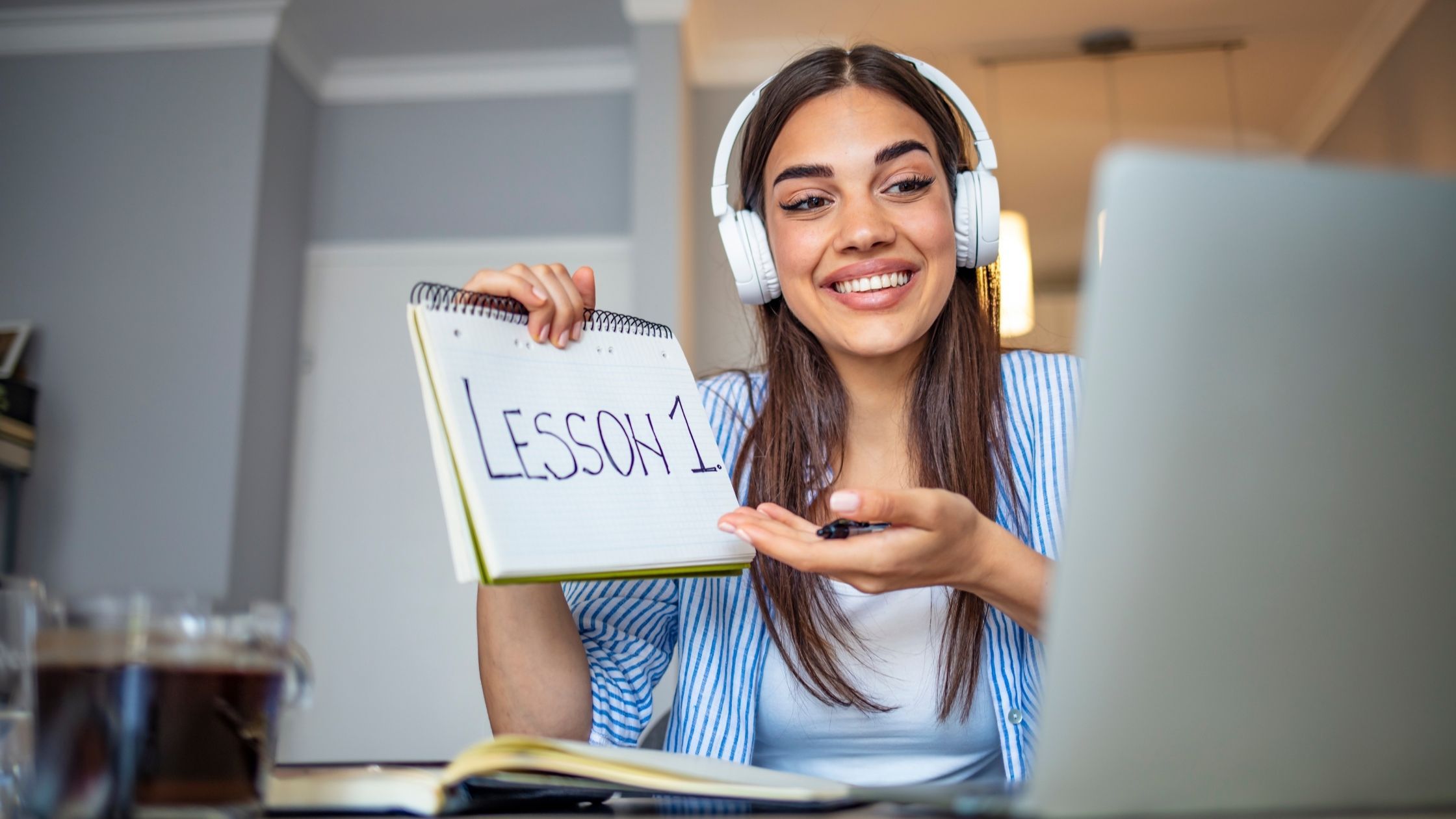
As educators, our role goes beyond academics. Whether we meet students in person or through online lessons for kids, we are often the steady voices encouraging them to see their strengths and celebrate who they are. On modern online platforms for tutors, this responsibility feels even more significant. With so much of their self-perception influenced by screens, peers, and social media, children need us to model positivity and guide them toward self-acceptance.
What Teachers Need to Know About Self-Esteem and Body Image
Self-esteem is how children value themselves, their belief in their abilities and worth. Body image is how they see their own appearance. These two elements are deeply connected. When children feel good about themselves, they are more willing to take risks, ask questions, and engage. When they don’t, we may see withdrawal, reluctance to participate, or even frustration.
The challenge today is that many young learners are bombarded with idealized images online. In this environment, the classroom whether physical or through online lessons, can become a haven where they feel seen, heard, and supported.
How Teachers Can Support Students’ Self-Esteem
-
Focus on Effort Over Perfection: Praising persistence builds confidence that isn’t tied to flawless results.
-
Model Positivity: Students notice the way we talk about ourselves and others. By practicing self-acceptance, we set an example they can follow.
-
Encourage Expression: Activities like journaling, art, and storytelling allow children to explore and process their feelings.
-
Use Inclusive Language: Choose words carefully; comparisons or comments on appearance or skills can significantly affect self-esteem and body image.
Practical Classroom Activities to Build Confidence
-
Reflective Writing: Give students a few minutes to journal about what makes them unique or proud. Online teaching platforms for tutors can be shared privately or in small breakout groups.
-
Affirmation Circle: Begin or end class by inviting students to share something positive about themselves. In online lessons for kids, this can be done using a virtual whiteboard where everyone writes a word or phrase.
-
Compliment Chain: Have each student give a genuine compliment to another classmate. This reinforces community, kindness, and appreciation of diverse strengths.
-
Creative Expression Projects: Whether it’s art, music, or drama, let students create something that reflects who they are. Highlighting personal strengths helps students cultivate positive self-esteem and body image.
The Role of Online Learning in Confidence-Building
With the rise of virtual education, many children now experience learning differently. For some, online lessons for kids provide a sense of comfort, they can participate at their own pace, sometimes with less social pressure. For others, the screen creates new anxieties about appearance or performance.
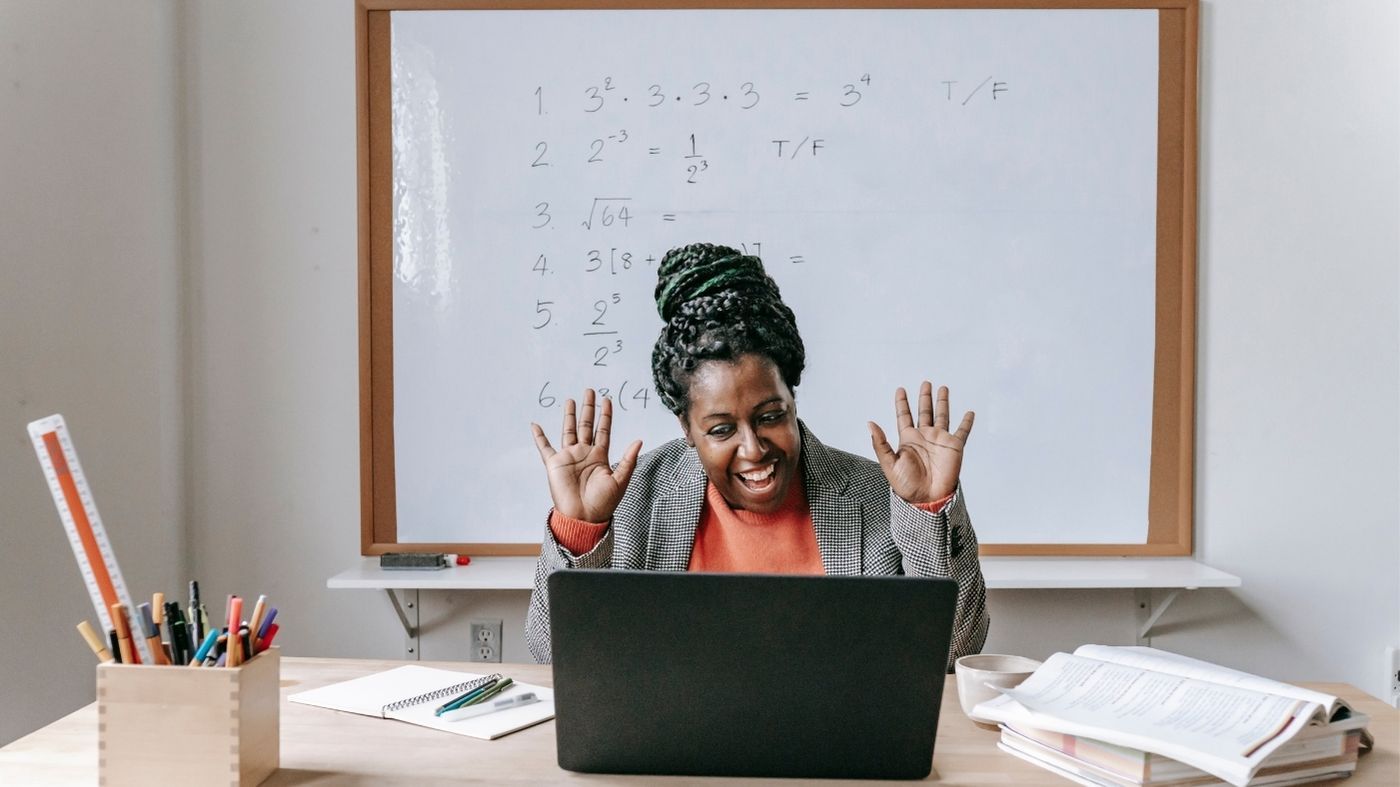
This is where online teaching platforms must go beyond academics. Teachers should pay attention to subtle cues, a child keeping the camera off, avoiding group projects, or staying silent and providing gentle encouragement. Interactive tools, one-on-one check-ins, and positive feedback can help students feel recognized and capable.
Storytelling as a Teaching Tool
Stories can be powerful bridges. Sharing examples of resilience and growth reminds students that confidence is learned, not fixed. Even the smallest steps, such as a child speaking aloud for the first time or switching on the camera after long hesitation, are milestones worth honoring. By framing progress as a journey, we nurture both self-esteem and body image in meaningful ways.
Why Teachers Matter More Than Ever
More than curriculum deliverers, teachers are role models who influence how children see themselves. On online teaching platforms for tutors, this influence is magnified because children often spend significant time with us in virtual spaces. When we intentionally nurture self-esteem and body image, we don’t just create better learners—we help raise stronger, more resilient people.
Wrapping Up:
Supporting self-esteem and body image is at the heart of effective teaching. Every affirmation, every opportunity for expression, and every safe space we create allows children to grow not just as learners, but as individuals. Through thoughtful strategies and compassionate teaching, whether in person or through online lessons for kids, we can empower them to believe in themselves.
For educators exploring new opportunities, especially those transitioning from TakeLessons, Wondrfly provides resources designed to help you continue inspiring young learners.

 Categories