
Sep' 25
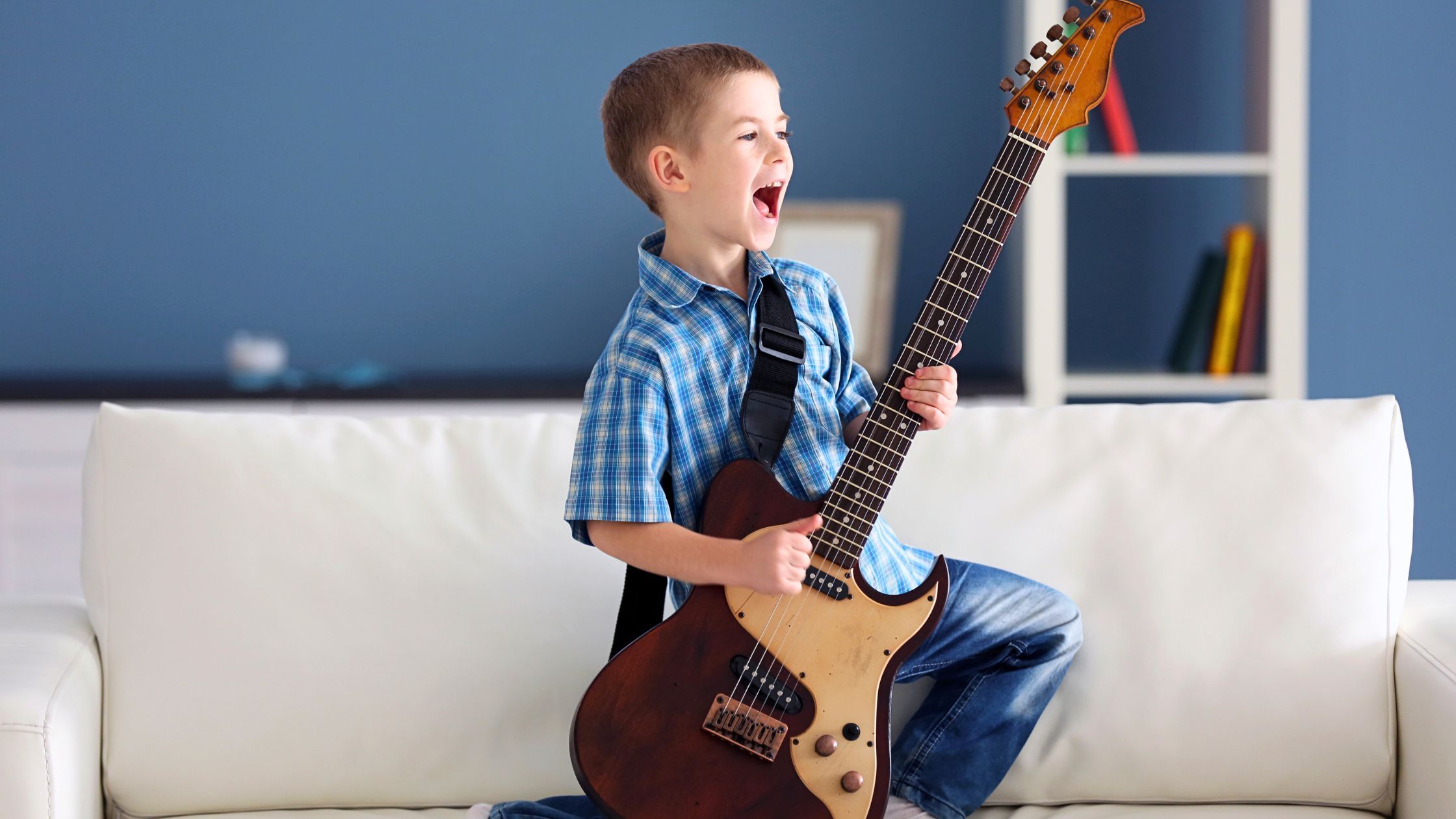
It started with a simple tune hummed while doing homework, then grew into tapping rhythms on the table, and finally a request for an instrument. Many parents witness this spark of curiosity in their children, a fascination with music that seems to come naturally. Yet, the challenge lies not in spotting this passion, but in guiding it. This is where music lessons for kids and structured learning environments become invaluable. By enrolling in music classes for kids or exploring opportunities like kids classes in Jersey City, parents can nurture raw interest into meaningful skill and lasting confidence.
Why Music Lessons for Kids are so Valuable
Music education helps children grow in ways far beyond the stage. Enrolling in music lessons for kids can:
-
Improve focus and memory
-
Strengthen hand-eye coordination and motor skills
-
Build creativity and problem-solving abilities
-
Foster discipline and patience
Most importantly, music provides a powerful outlet for self-expression. Whether through singing, playing, or composing, children learn to communicate emotions in a healthy and joyful way.
How Parents Can Encourage Musical Growth at Home
Getting your child started with music lessons for kids is only the foundation. Children thrive when their home environment supports practice, creativity, and confidence. Here’s how parents can help nurture musical growth every day.
1. Create a Dedicated Practice Space
Having a quiet and comfortable area for practice makes a big difference. Create a space away from distractions such as TV or video games. Even a small space with their instrument, a chair, and good lighting can become their creative zone. This helps children associate the space with focus and enjoyment, making practice feel special instead of feeling like a chore.
2. Establish a Consistent Routine
Progress comes with regular effort. Instead of long, irregular sessions, encourage short and consistent practice times. Ten to fifteen minutes daily is often more effective than an hour once a week. A steady rhythm builds confidence, reinforces what they learn in music classes for kids, and helps develop discipline without overwhelming them.
3. Expose Them to Different Music Styles
Broaden your child’s musical taste by introducing them to a variety of genres. Play classical, jazz, folk, pop, or world music together. Talk about the instruments, rhythms, and moods in each piece. This not only inspires curiosity but also shows children that music is diverse and exciting.
4. Celebrate Every Small Achievement
Learning music takes patience, and progress can feel slow. That’s why celebrating small wins is essential. Whether it’s playing their first song, mastering a rhythm, or completing a practice goal, show enthusiasm and encouragement. Recognition helps children feel proud of their effort and keeps them motivated to continue their music lessons.
5. Show Genuine Interest
Most importantly, show that you value their journey. Ask them to play what they’ve learned, listen attentively, and cheer them on. When children feel supported, their love for music grows naturally turning practice into passion.
6. Encourage Creative Play with Music
Beyond structured lessons, allow children to explore music freely. Let them experiment with making up songs, tapping out rhythms, or even using digital apps. This creative play keeps learning fun and nurtures imagination.
7. Connect Practice to Real-Life Experiences
Link music to everyday life, play background music while cooking, attend live performances together, or watch videos of inspiring musicians. These experiences show children that music is not just practice, but a joyful part of the world around them.
Exploring Local Opportunities
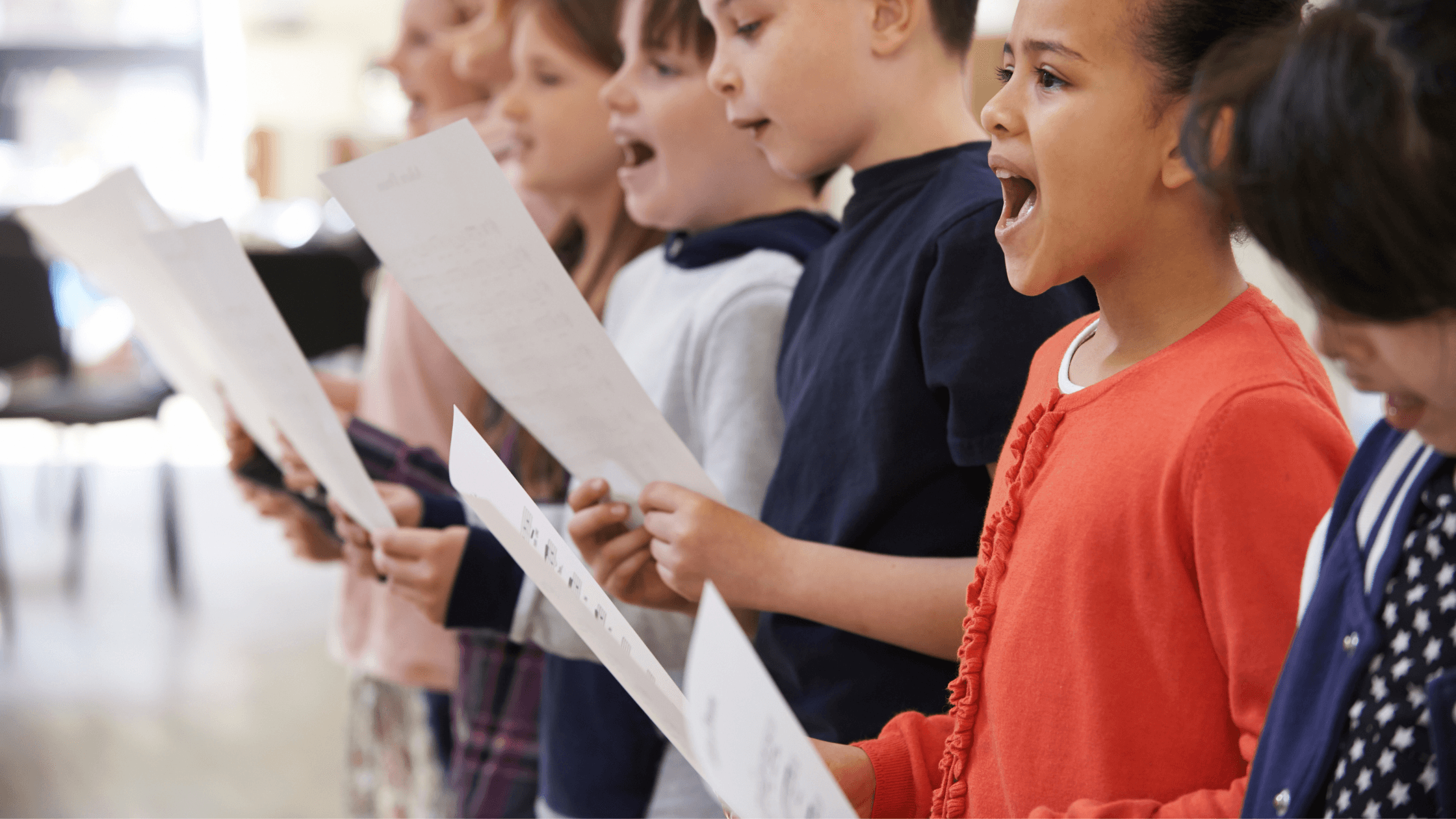
Communities often offer rich opportunities for musical exploration. Families in New Jersey, for instance, have access to a wide variety of kids classes in Jersey City through platforms like Wondrfly. From piano and guitar to violin and vocal training, the range of options ensures every child can discover a style that resonates with them.
Enrolling in these local classes not only provides access to skilled instructors but also allows children to learn alongside peers. Through this social connection, kids learn teamwork, collaboration, and belonging foundations that extend into personal and academic growth beyond music.
Conclusion: Turning Curiosity into Confidence
A child’s fascination with music often begins with small, everyday moments but with the right support, it can evolve into a lifelong passion. Through structured music lessons for kids in Jersey City, parents can ensure their child’s journey is filled with growth, joy, and confidence.
And for those who are looking for classes, they can check out Wondrfly to discover resources and options that make supporting your child’s musical journey easier than ever. Because music isn’t just about playing notes, it’s about helping kids find their own unique rhythm in life.

 Categories