
August '25
In childhood, every practice, game and team huddle are more than just fun and exercise, it’s a steppingstone in the journey of growing up. Sports do more than build muscles; they build character, friendships, and emotional strength. For parents eager to nurture their children's social and emotional development, this extracurricular offer a unique and powerful pathway.
Here are the top 7 compelling reasons why sports are invaluable in helping kids grow socially and emotionally.
1. Building Teamwork Skills
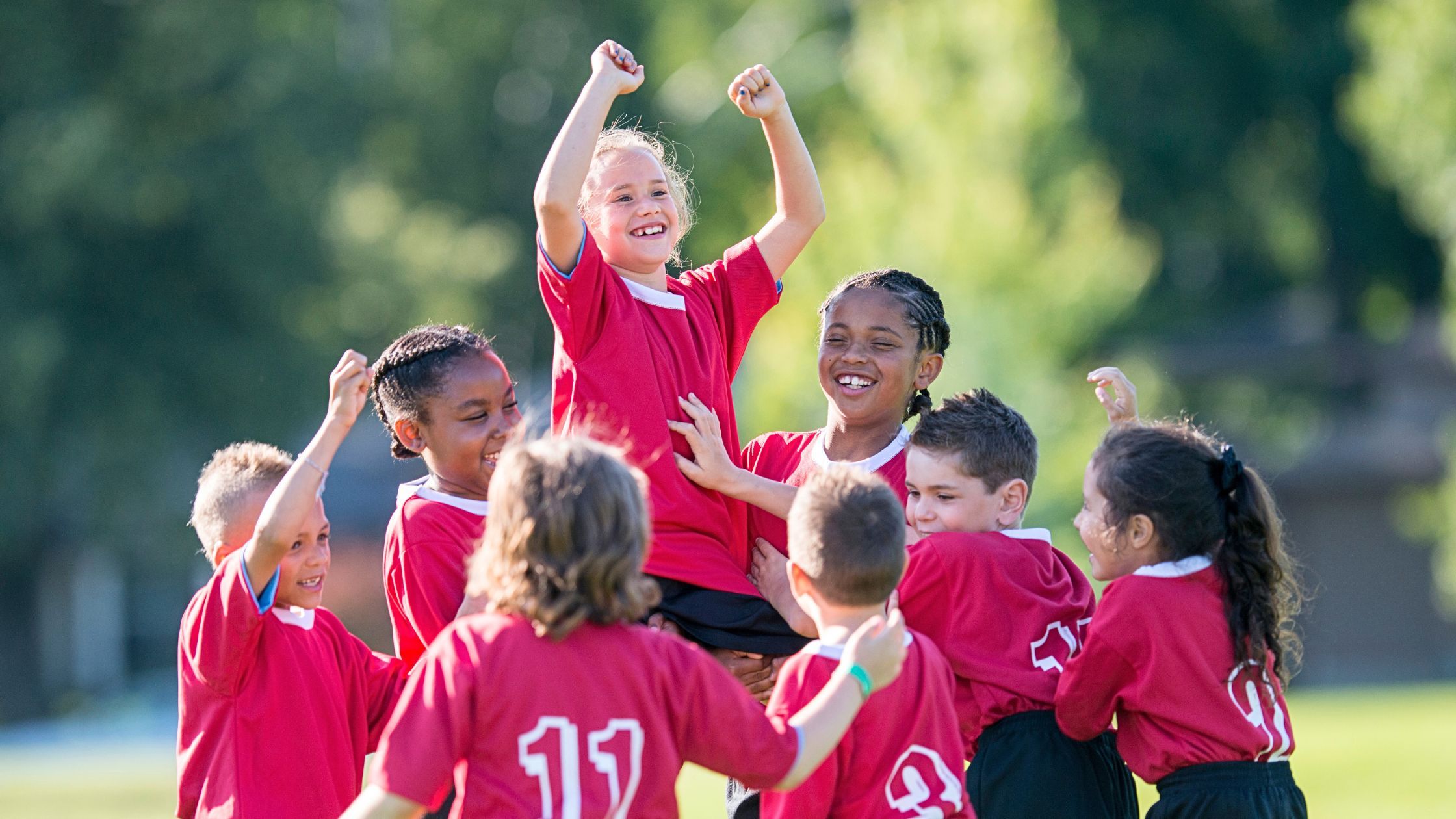
One of the most significant benefits of sports is the opportunity to work as a group. When kids join a team, they quickly realize that success is not just about individual talent, but about working together towards a common goal. They build the ability to speak up, contribute equally, and stand by one another. These teamwork skills are invaluable, as they translate into other areas of life, including school projects and future workplaces.
2. Enhancing Communication Abilities
Sports provide a unique platform for kids to enhance their communication skills. Whether it’s calling for the ball during a game or discussing strategies with teammates, children learn to express themselves clearly and effectively. This practice in communication helps them build confidence in their ability to articulate thoughts and feelings, which is essential for social interactions both on and off the field.
3. Fostering Friendships
Participating in sports creates a natural environment for kids to make friends. Shared experiences, whether it’s celebrating a victory or supporting each other after a loss, forge strong bonds among teammates. These friendships can lead to lasting connections that extend beyond the playing field, providing kids with a supportive social network that enhances their emotional well-being.
4. Teaching Resilience
In the world of sports, not every game ends in victory. Kids learn that setbacks are a part of life, and how they respond to these challenges is what truly matters. Children gain emotional grit to overcome challenges with a positive attitude and stay motivated.
5. Boosting Self-Esteem
Sports involvement plays a big role in building a child’s self-esteem. As they develop new skills and achieve personal goals, they gain a sense of accomplishment that enhances their self-worth. Whether it’s scoring a goal, mastering a new technique, or simply improving their performance, these achievements contribute to a positive self-image that carries over into other aspects of their lives.
6. Encouraging Empathy and Sportsmanship
Sports teach kids to respect opponents, celebrate others’ successes, and handle losses gracefully. These lessons in empathy help children understand different perspectives and develop compassion for others, which is essential for building healthy relationships and navigating social situations.
7. Providing a Healthy Outlet for Emotions
Ultimately, sports give children a healthy space to express how they feel. Whether it’s the thrill of competition or the frustration of a tough loss, physical activity allows children to channel their feelings in a constructive way. This emotional release can reduce stress and anxiety, promoting overall mental health and well-being.
Let Sports Do the Talking:
The benefits extend far beyond physical fitness; they play a vital role in helping kids grow socially and emotionally. From building teamwork skills to fostering friendships and teaching resilience, sports provide a rich environment for personal development.
For those looking for extracurricular activities or after-school programs that can further enhance their child’s experience, be sure to check out Wondrfly’s resources. With a variety of options available, you can find the perfect fit for your child’s interests and help them thrive both on and off the field.

 Categories